Crawford County
Allegheny County : In Brief
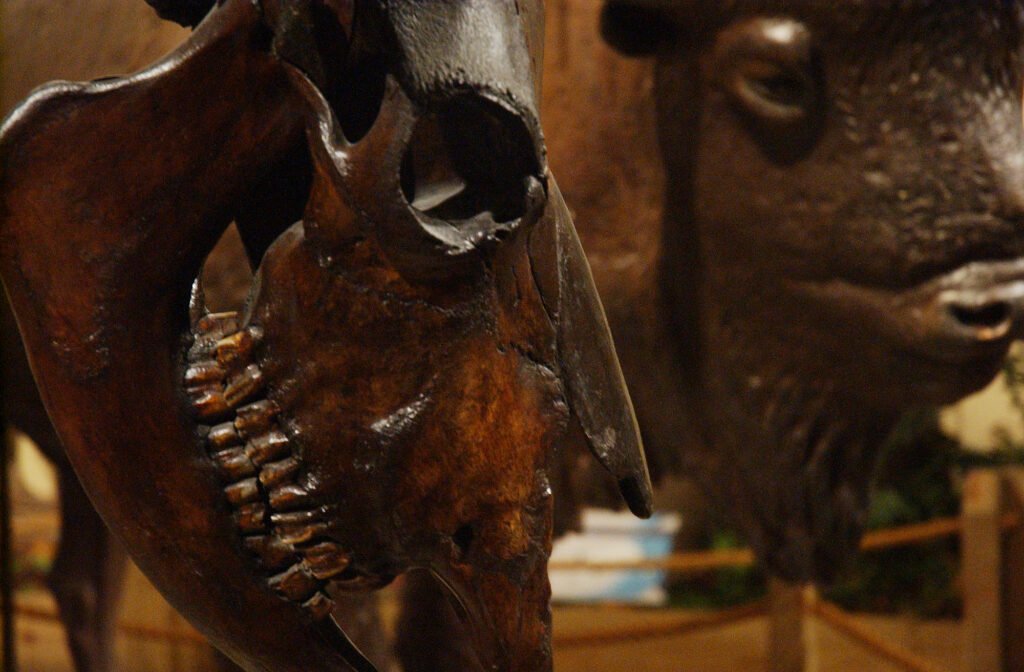
Prior to 1700, Allegheny County was mostly occupied by wandering tribes of Native American Indians, including the Allegwi, for whom the county is named. In the 1750’s, both the French and the British wanted control of the river communities that developed along the three rivers that meet in what is now Pittsburgh: the Allegheny, the Monongahela and the Ohio. By 1763, at the end of the French and Indian War, British General Edward Braddock had driven the French from Fort Duquesne, which the British renamed Pittsburgh. Over the next decade, white settlers pressured the government to create a separate Allegheny County, with Pittsburgh as the county seat. The county was officially created on September 24, 1788 from parts of Washington and Westmoreland Counties. The county originally extended all the way to the shores of Lake Erie and became the ‘mother county’ for most of what is now northwestern Pennsylvania. By 1800, the county’s current borders had been set. From the mid-19th to the late 20th centuries, the area was dominated by and prospered from the steel industry. It has now become a center of high tech, and it is home to the Pittsburgh Pirates, the Pittsburgh Penguins, and the Pittsburgh Steelers.
Clinton County
Clarion County
Adams County : In Brief
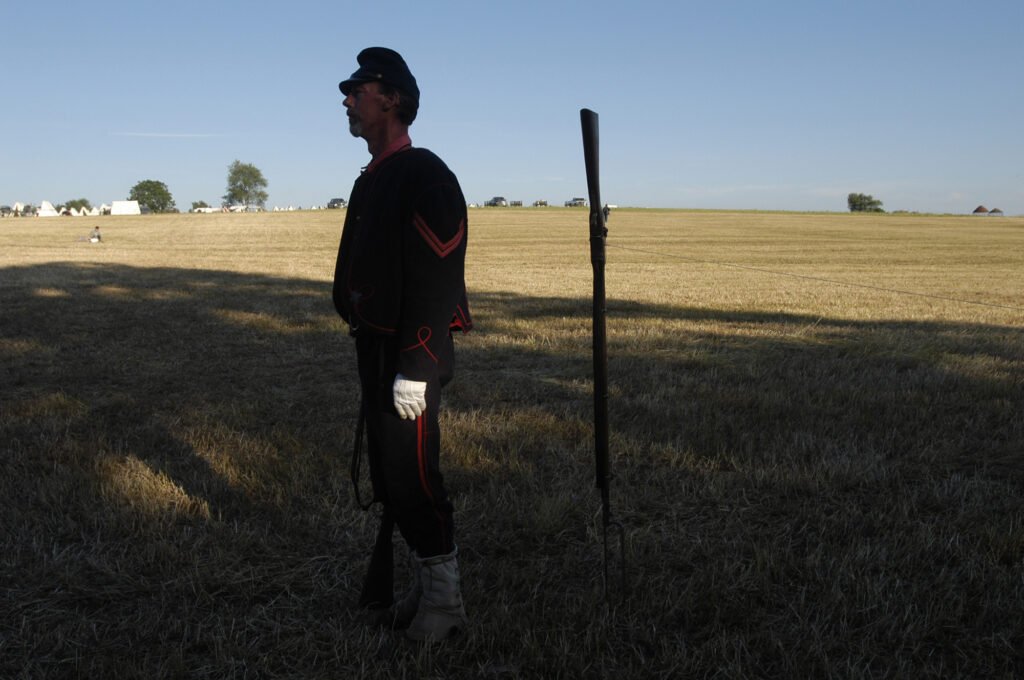
Adams County, named for President John Adams, was created from a portion of York County on January 22, 1800 following a contentious battle in the state legislature. After the dust settled, Gettysburg was named the county seat, after local landowner James Gettys. While the county has strong publishing, farming supply and wood products industries, farms still occupy over 50% of the land and their output accounts for 40% of the state’s annual harvest. As a result of this slow conversion to a more industrial economy, the county’s population has grown more slowly than that of neighboring counties. Adams County, once famous for wheat production, now leads the state in fruit production. The 3-day Battle of Gettysburg in 1863 resulted in carnage and loss of human life on an almost unprecedented scale–51,000 soldiers killed, wounded or missing– and became a symbol of the ultimate sacrifice of war. That battle has, ironically, spawned a robust tourist industry. Every year, Gettysburg National Military Park hosts visitors from around the world.
Centre County
Adams County
Butler County
Carbon County
Greene County : In Brief
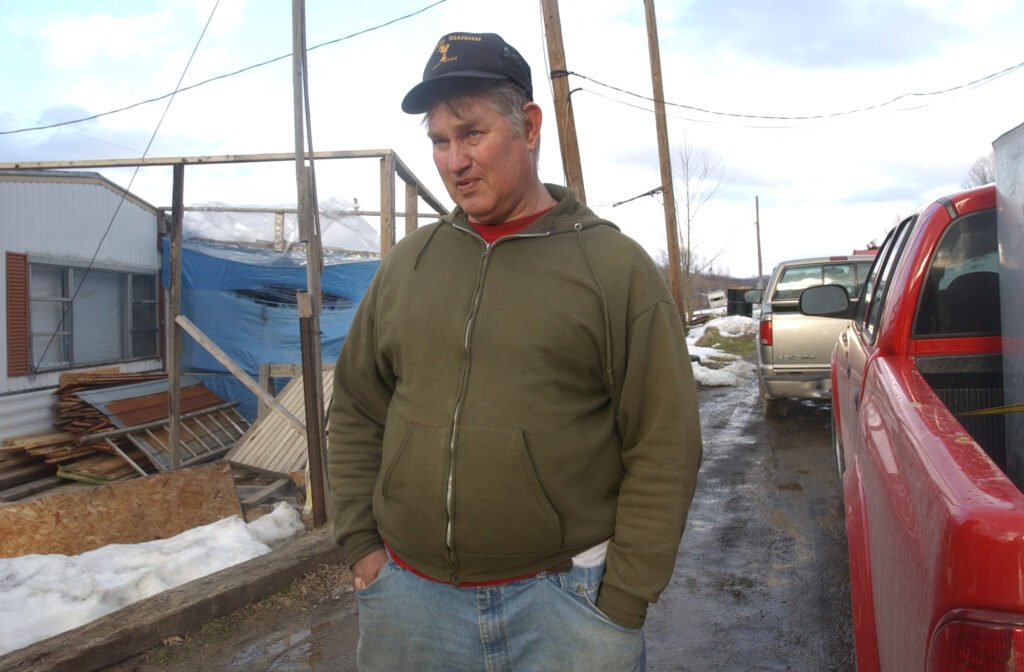
Like many Pennsylvania counties born of other counties, Greene County began life as the southern part of Washington County, gaining independence in 1796. The original courthouse, a small log structure, still stands in Waynesburg, the county seat. Greene lies just south of Pittsburgh, and was for years a critical component in the production of coal-fired steel. During the heyday of steel production, the river town of Rices Landing moved more coal through the Monongehela River locks than any product moved through the Panama canal. Though coal remains a critical employer in the region, Greene County is just as famous for the beauty of its farmlands, as well as the Warrior and the Catawba hiking trails, both rich in Native American history. It is also home to 7,000 acres of state gamelands. The trick will lie in maintaining the delicate balance between natural resources above and below the surface of the earth.